






DZiKADiVA
THANKS TO Joanne Rodriguez , Kunstverein Leipzig, Sistrum, Agnieszka Małgowska, Queer Muzeum Warszawa, Krzysztof Kliszczyński, Spinnboden Lesbian Archive and Library, Schwules Museum Berlin, Queeres Forum München, Tabea Blumenschein Estate, Joanna Ostrowska, Liliana Zeic, Ines Schaber, Karolina Czyż,
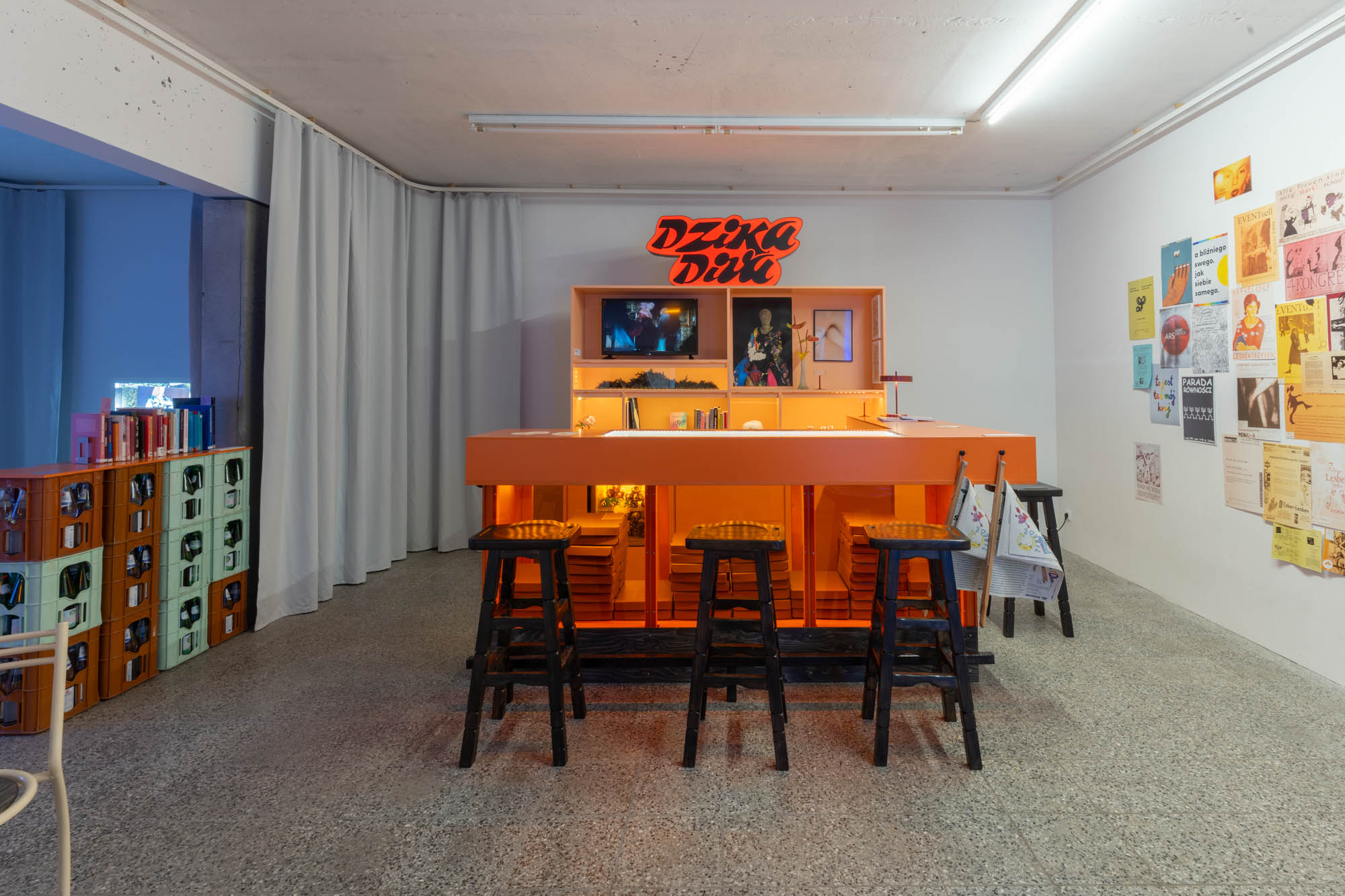
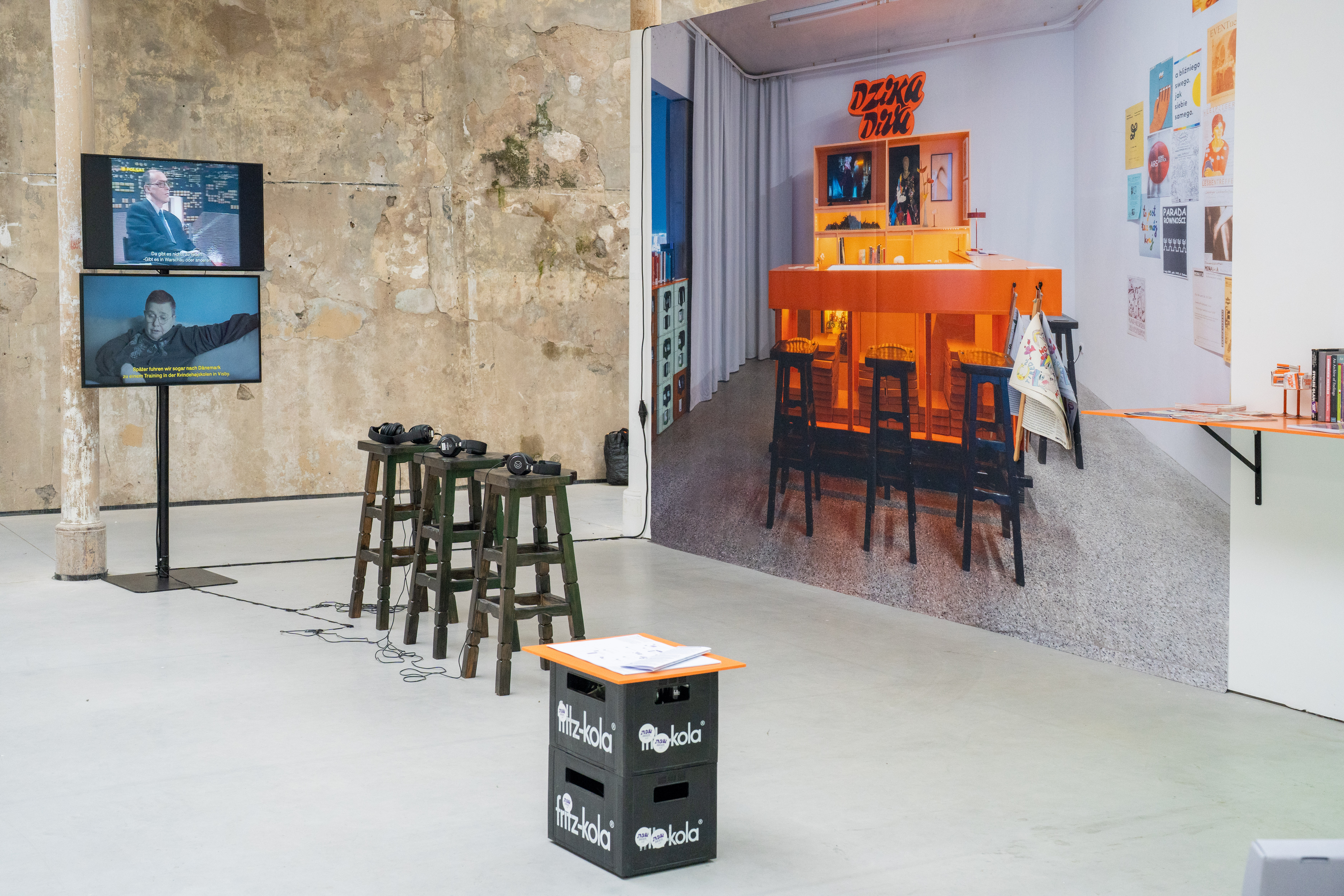
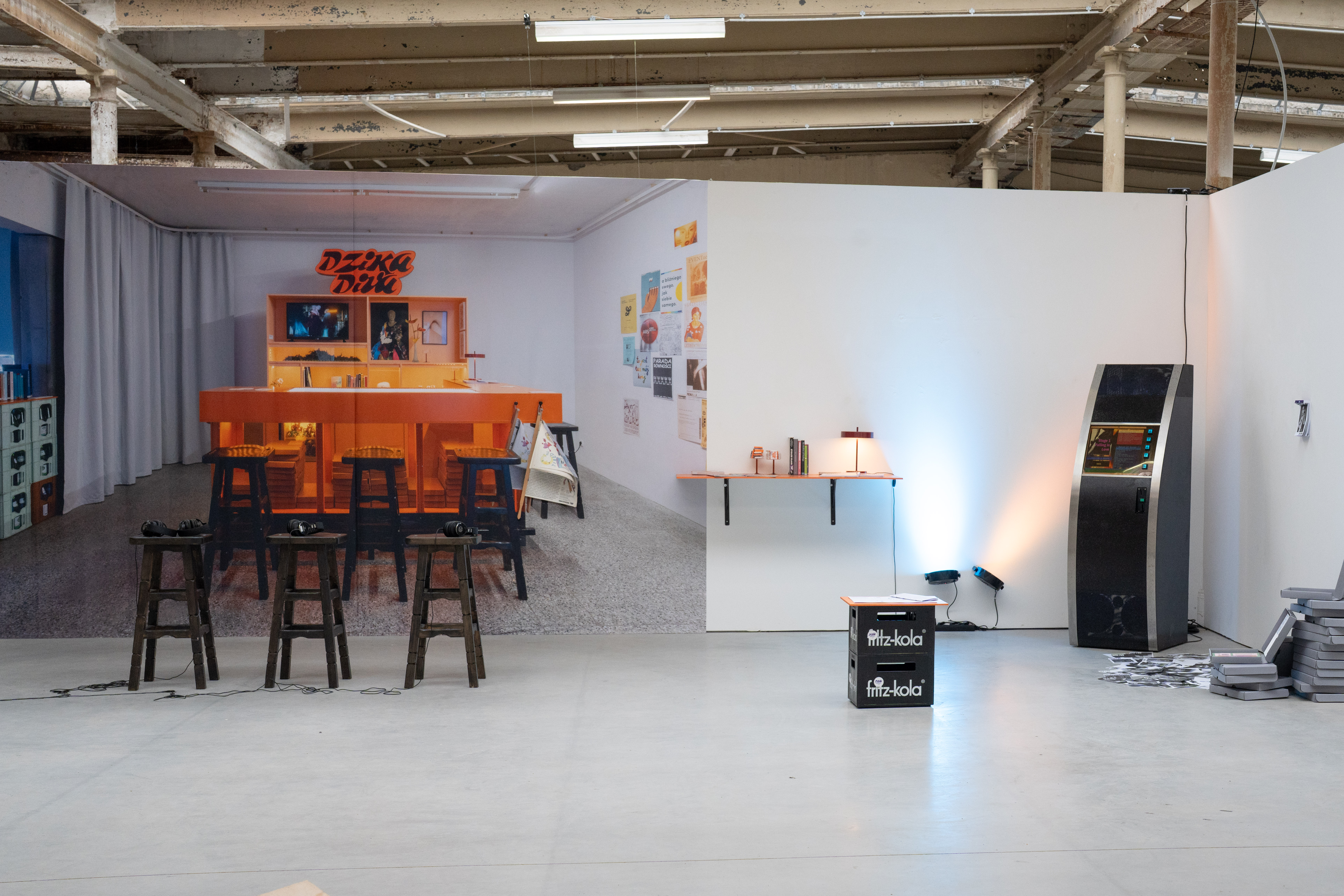
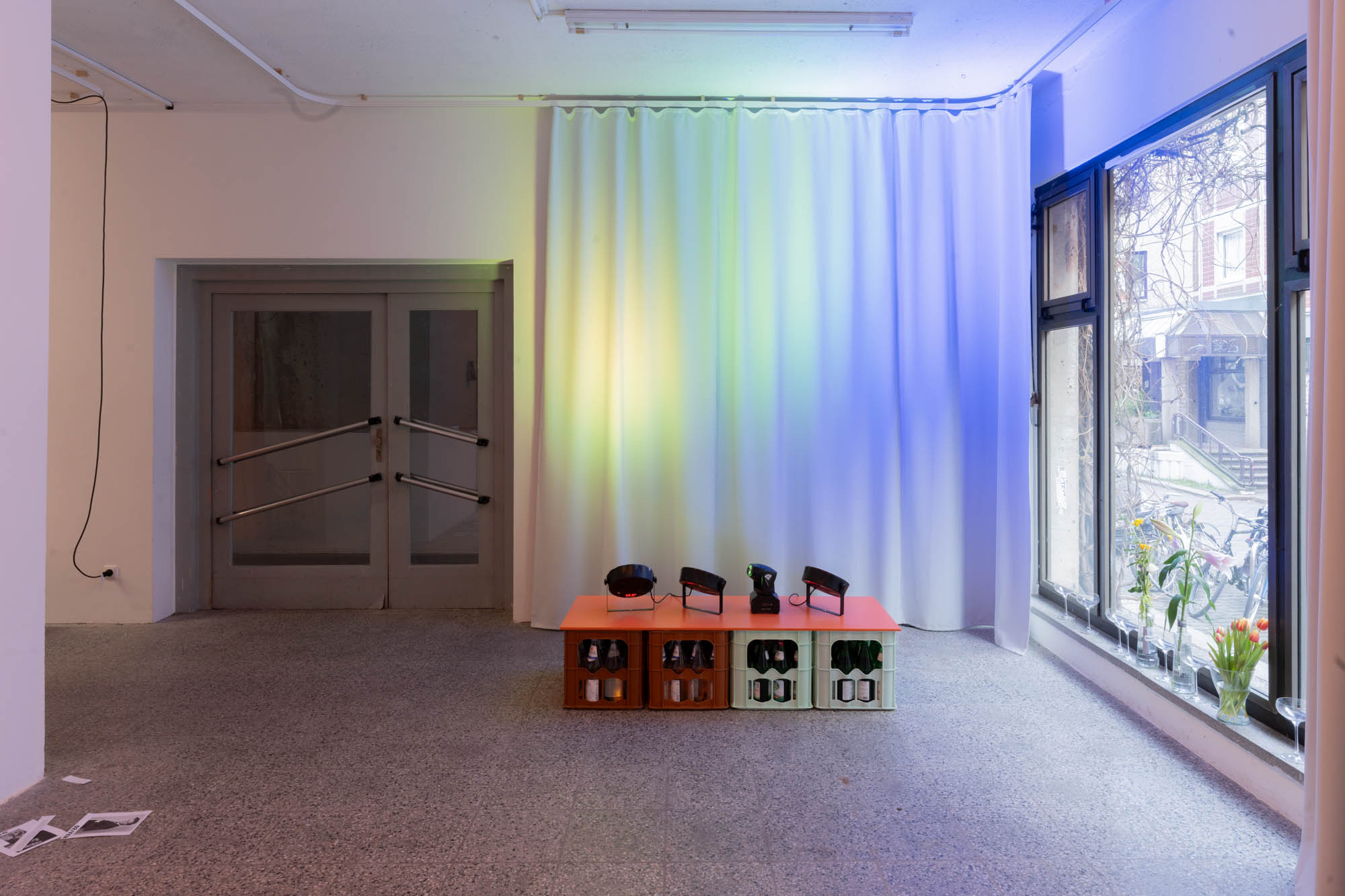
DZiKA DiVA (Polish for “Wild Diva”) is a fictional lesbian bar and at the same time a collective archive installation. The work refers to the absence of lesbian bars in Poland in the late 1980s and 1990s – a period of profound social and cultural transformations. It understands itself as a proposal for visibility and as a speculative space in which fragmentary histories, private memories and images that remain outside institutional archives can be brought together.
The exhibition is activated through a public programme: in Leipzig through the performance “Lesbian Machine” by performance artist C. Bain, public karaoke evenings, a screening of Ulrike Ottinger’s film “Bildnis einer Trinkerin” (BRD 1979) at the Leipzig arthouse cinema Cinémathèque, as well as numerous informal gatherings; in Rastatt the WeibRation Lesbian choir gave a concert.
“In the absence of institutionalized documentation or in opposition to official histories, memory becomes a valuable historical resource, and ephemeral and personal collections of objects stand alongside the documents of the dominant culture in order to offer alternative modes of knowledge,” wrote the Canadian-American cultural scholar Ann Cvetkovich in her groundbreaking work “An Archive of Feelings” (Durham/London 2003) – my work refers to this. Instead of presenting the archive as a closed collection, the project examines archiving as a social process based on encounter, trust, care and shared responsibility.
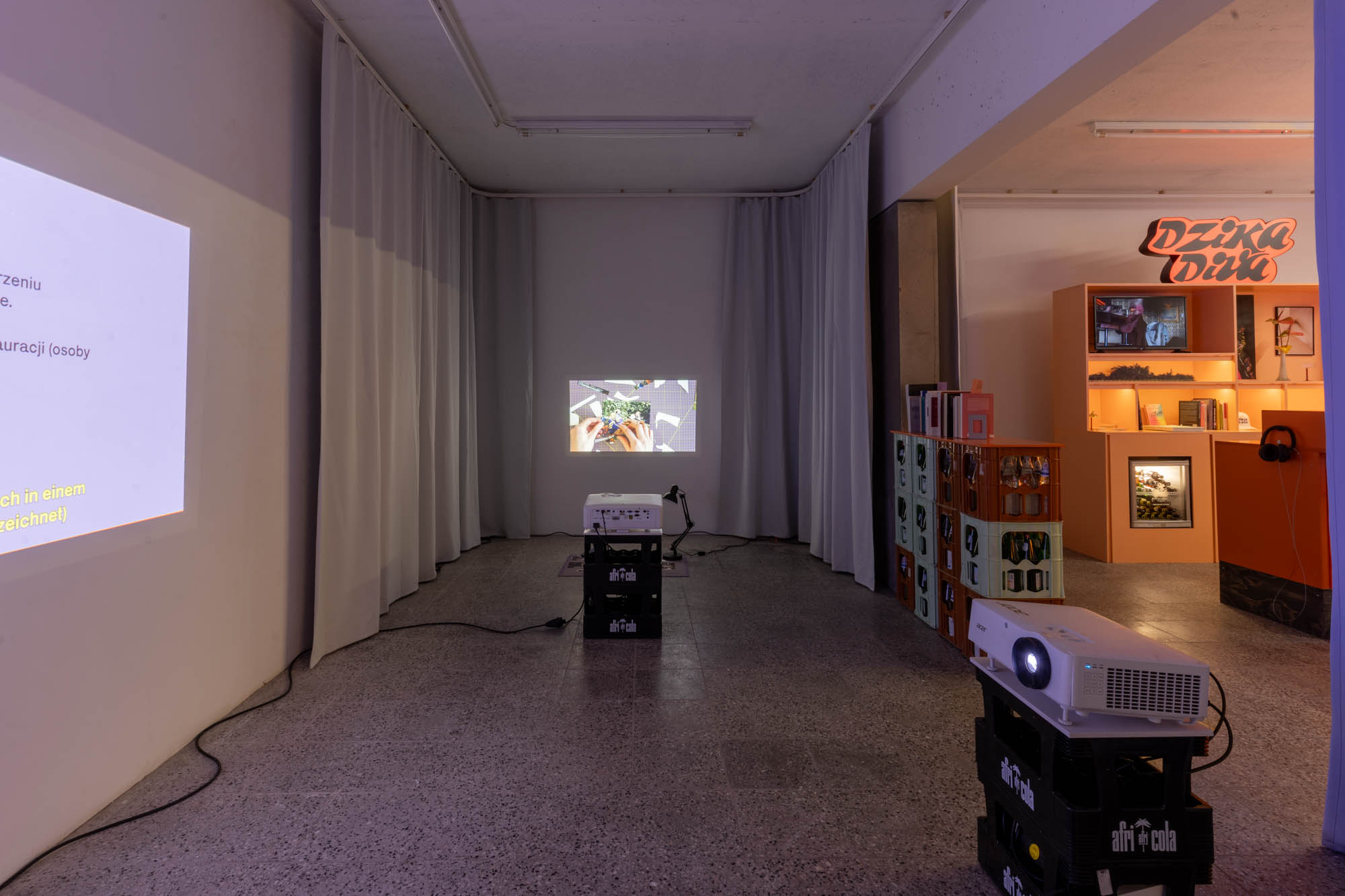
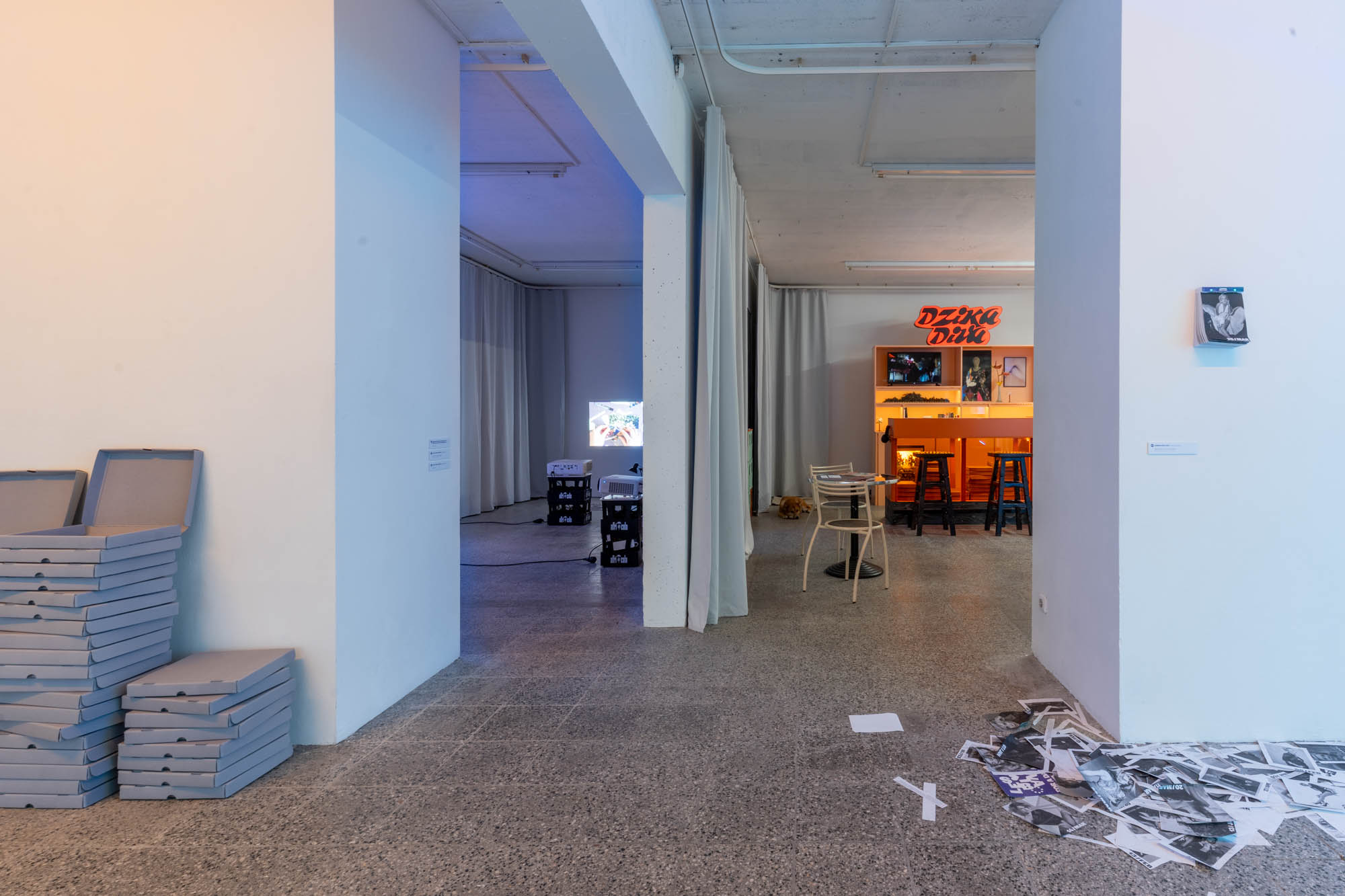
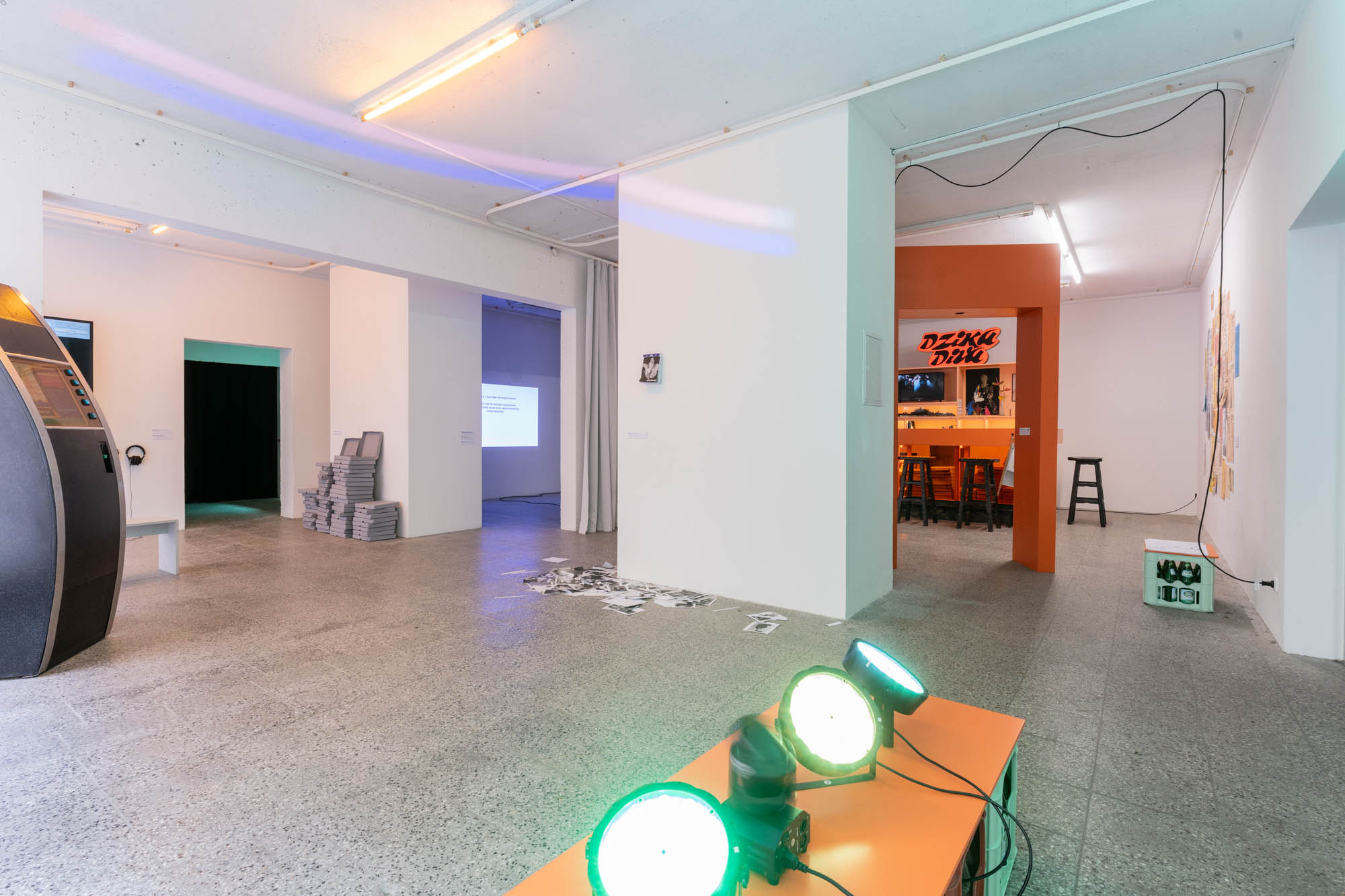
The installation is divided into three thematic areas: documentation, reconstruction and participation. These are based on research materials, fragmentary memories and artistic references. The exhibition begins with a portal in which the first archival work is placed. At the centre is a bar display with a counter, where the artist serves drinks and invites exchange. The bar contains 140 empty archive boxes referring to gaps, missing documents and stories that have yet to be told. Artefacts, artworks and a fragment from a film by Ulrike Ottinger are also shown beneath the display case.
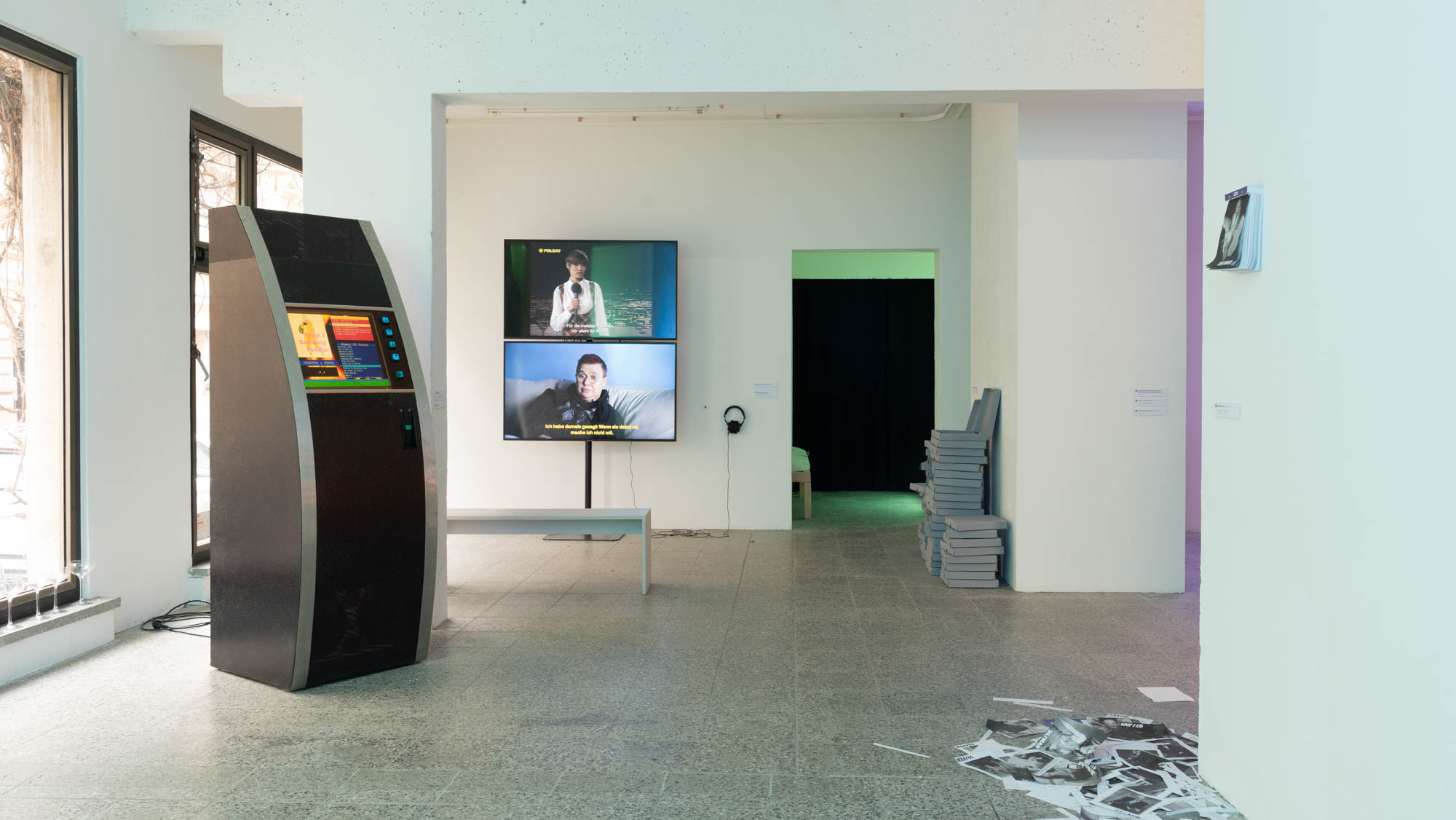
One part of the space consists of a curated wall with historical posters, advertisements and reproductions relating to lesbian events. In addition, there is a selection of books and publications as well as a video featuring a woman who, in the 1990s, appeared on a Polish TV show as one of the first openly lesbian women and who reflects on this appearance from today’s perspective.
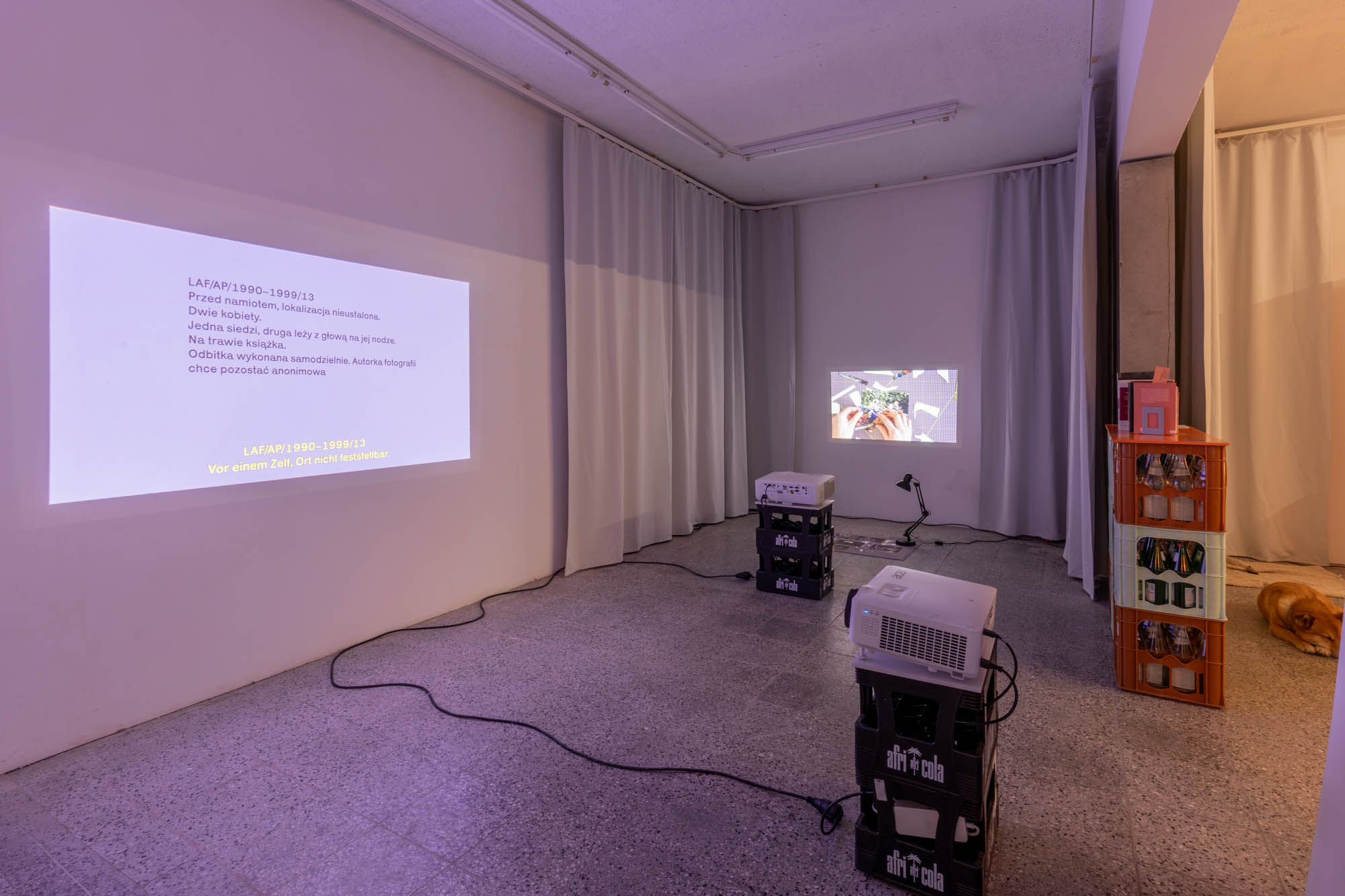
Another area is dedicated to the Lesbian Photographic Archive, which I founded in 2024. Participants are invited to contribute written descriptions of private or lost images that cannot be shown publicly. In this way, personal memories can enter the archive without the photographs themselves having to be disclosed.
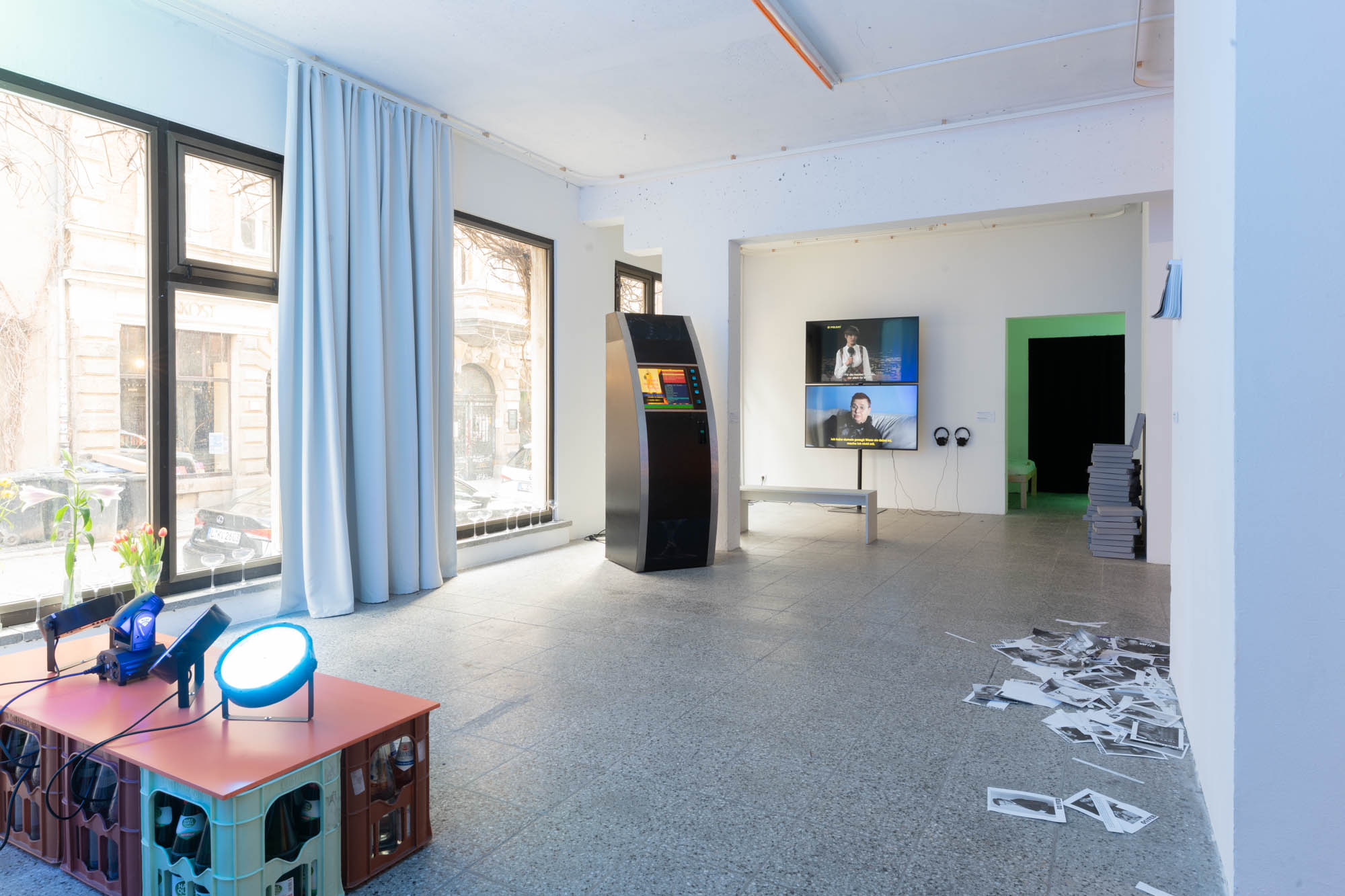
A dance floor with a programmed jukebox forms the social and performative centre of the space. It connects the research with bodily experience and makes clear that lesbian and queer bars have historically been places of emancipation, safety, visibility, political organising and collective memory. The project therefore functions simultaneously as an exhibition, archive, meeting place and temporary, living bar.
As part of the exhibition, a karaoke evening also takes place in the exhibition spaces. In this way, the fictional bar was also actually activated as a social space for exchange, encounter and shared memory.
Exhibitiondesign: Lydia Kähny
Graphicdesign: Kathi Rüll
Creative technology: Alexander Wenger